
How to Spot Bad Control Arm Bushings Before They Fail: A B2B Procurement Guide
For fleet operations, commercial repair workshops, and auto parts wholesale distributors, premature suspension failure is a costly nightmare. Installing or distributing low-quality suspension components leads to frequent warranty claims, increased vehicle downtime, uneven tire wear, and compromised steering safety.
Control arm bushings are constantly subjected to dynamic loads, severe road vibrations, oil exposure, and extreme temperature fluctuations. Yet, the commercial aftermarket remains flooded with low-grade bushings made from recycled rubber compounds and imprecise metal sleeves. While they may visually resemble OEM parts upon unboxing, sub-standard bushings often fail within months of service.
This technical guide by Sinor Heavy Duty Truck Parts details how procurement managers and B2B buyers can inspect control arm bushings prior to bulk purchasing—ensuring long-term reliability and protecting your bottom line.
1. Rubber Material Quality: NR/SBR Blends vs. Recycled Fillers
The primary reason cheap bushings fail prematurely is compromised polymer formulation. Premium control arm bushings rely on high-tensile Natural Rubber (NR) blended with Styrene-Butadiene Rubber (SBR) or Chloroprene (CR) to achieve optimal elasticity, fatigue resistance, and oil resilience.
What to Inspect During Material Sourcing:
- High-Tensile NR+SBR Compound: Formulated with specialized anti-ozone and anti-aging additives, quality rubber maintains elastic rebound under constant load without cracking.
- Beware of Recycled Rubber & Fillers: Low-cost factories often utilize recycled rubber pulverized with excess calcium carbonate filler. These compounds feel excessively rigid, brittle, and degrade rapidly when exposed to environmental stress.
- The Elasticity Rebound Test: Press a fingernail or hardness gauge firmly into the rubber profile. Premium rubber displays high resilience and immediate recovery. If the surface feels like hard plastic or retains a permanent indentation, avoid the supplier.
- Chemical & Oil Odor Inspection: A strong, pungent chemical smell or oily surface sheen indicates low-grade vulcanization compounds that oxidize and split under pressure.
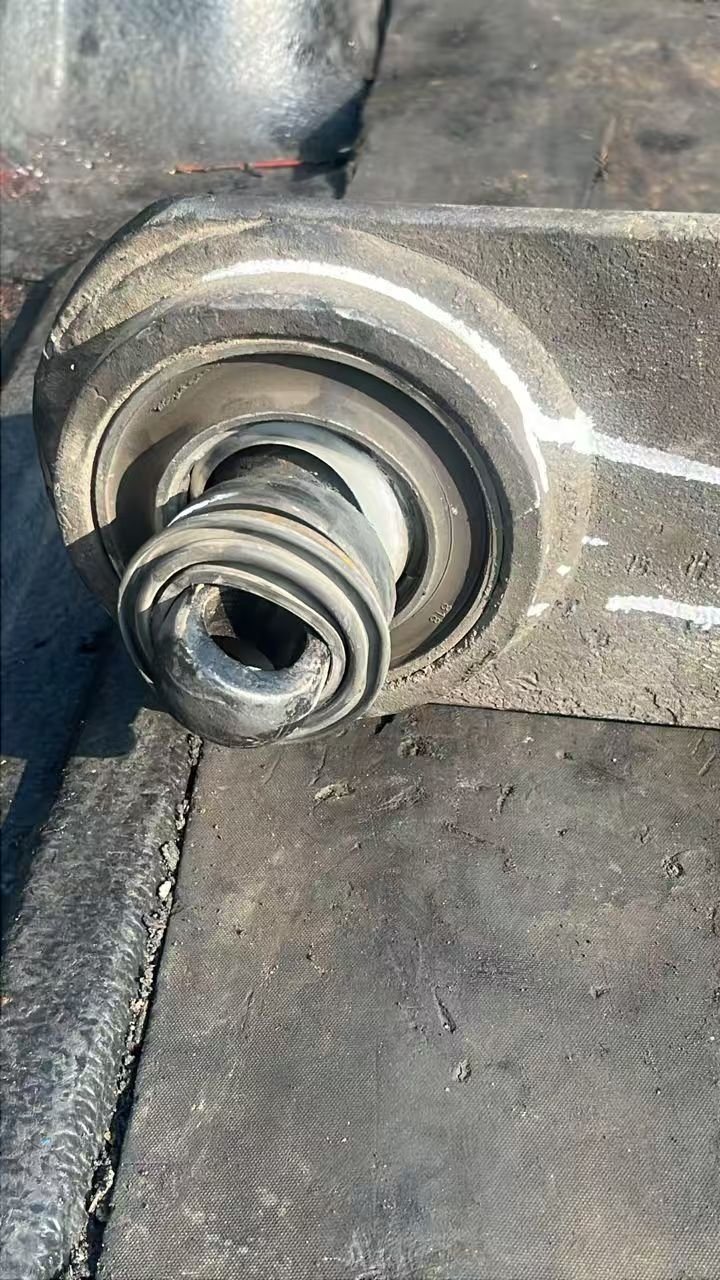
2. Surface Integrity: Identifying Micro-Cracks & Molding Defects
Even brand-new bushings can harbor structural flaws resulting from improper thermal curing or mold defects. Inspecting component surface integrity under bright lighting reveals early red flags:
| Defect Type | Manufacturing Cause | Operational Impact |
|---|---|---|
| Micro-Cracks | Inadequate anti-ozone formulation or thermal aging during mold storage. | Accelerates rubber fissuring and structural tearing under vehicle weight. |
| Blisters & Air Trapping | Uneven vulcanization temperature or poor mold venting. | Creates internal voids that split under shock load. |
| Uneven Rubber Thickness | Imprecise core pin alignment during injection molding. | Causes asymmetric load distribution and premature debonding from the steel sleeve. |
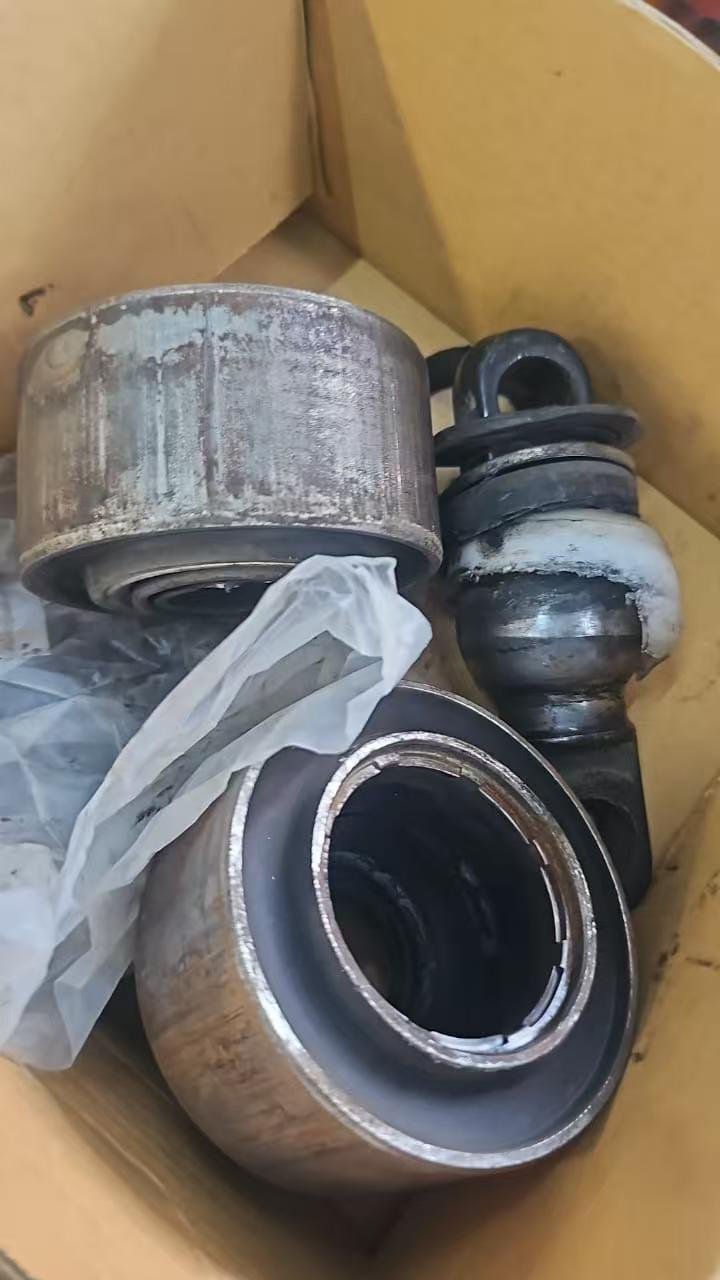
Pro Tip for B2B Importers: When evaluating new manufacturers, request high-resolution close-up photos and cross-section samples of the rubber bushing [cite: 5] to verify bonding uniform density before issuing bulk production approvals.
3. Metal Sleeve Tolerances & CNC Precision
A critical engineering aspect often overlooked in cheap aftermarket bushings is inner sleeve and outer shell dimensional accuracy.
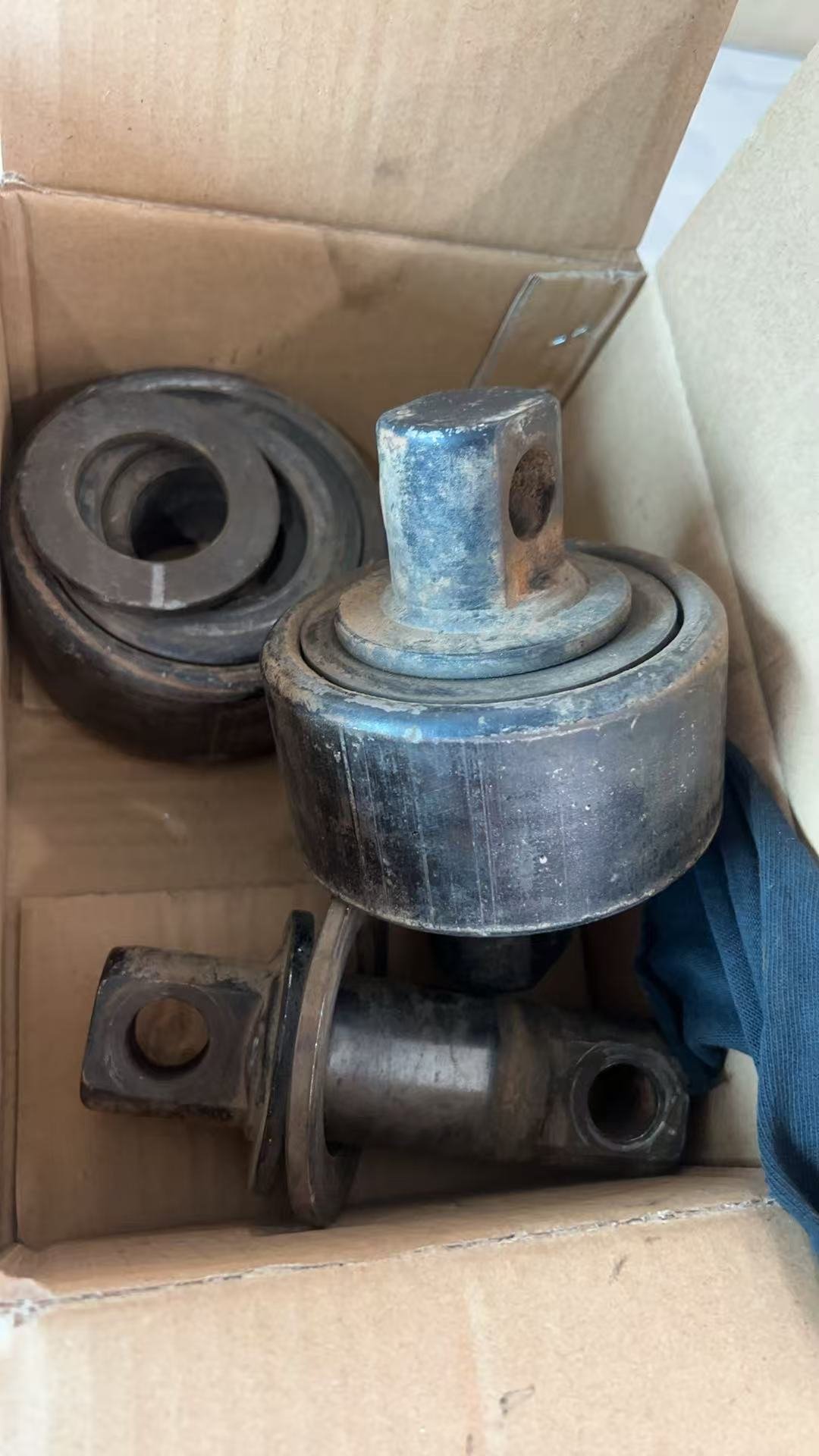
- Precision Inner Sleeve Bore: The inner bolt bore must be CNC-machined to exact millimeter tolerances. Oversized bores create mounting play, causing clunking noises and alignment shift, while undersized bores prevent bolt insertion.
- Thicker Outer Steel Sleeves: Heavy-duty press-fit applications require seamless steel sleeves with optimal wall thickness and electrocoating (E-coating) to prevent rust seizure inside the control arm housing.
- High-Density Vulcanization Bonding: Precision thermal bonding prevents the rubber core from separating or slipping out of the outer steel sleeve under heavy cornering loads.
4. Essential Supplier Evaluation Checklist for B2B Buyers
Before placing wholesale orders for suspension components, cross-check suppliers against these mandatory criteria:
- Clear Part Numbering & Brand Markings: Reputable manufacturers etch clear OEM reference numbers and lot traceability codes directly on metal housings.
- ISO 9001 / IATF 16949 Certification: Verify that factory production lines adhere to strict quality management standards and 100% pre-shipment inspections.
- 12-Month Quality Warranty: Reliable suspension suppliers back their products with a full 1-year replacement warranty.
- Realistic Pricing: Suspiciously low prices (e.g., 60%–70% below standard aftermarket rates) always indicate compromised raw materials and skipped quality checks.
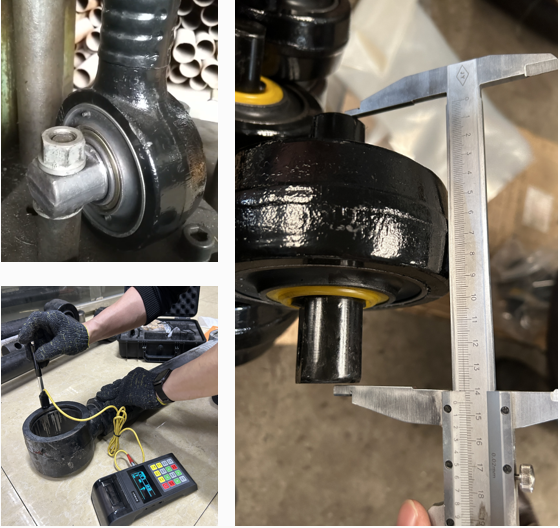
Partner with Sinor for Premium Suspension Components
At Sinor Heavy Duty Truck Parts, we eliminate early bushing failure through superior material selection and rigorous quality control. Our heavy-duty torque rod bushings [cite: 5] and truck suspension parts [cite: 5] feature high-tensile NR/SBR blends, anti-ozone protection, CNC-machined inner sleeves, and 100% surface inspection prior to shipment.
Explore our complete catalog, including high-performance engine mounting parts and propeller shaft parts [cite: 6].
- 📩 Sourcing suspension parts for your fleet or wholesale catalog? Contact Sinor’s technical sales team today for sample testing, OEM cross-referencing, and direct factory quotations!
